Need septic tank pumping in Old Westbury?
- Request an estimate in a few minutes
- Independent local providers in our network
- Written quotes before work starts
- No obligation to hire
No obligation
Request an estimate today
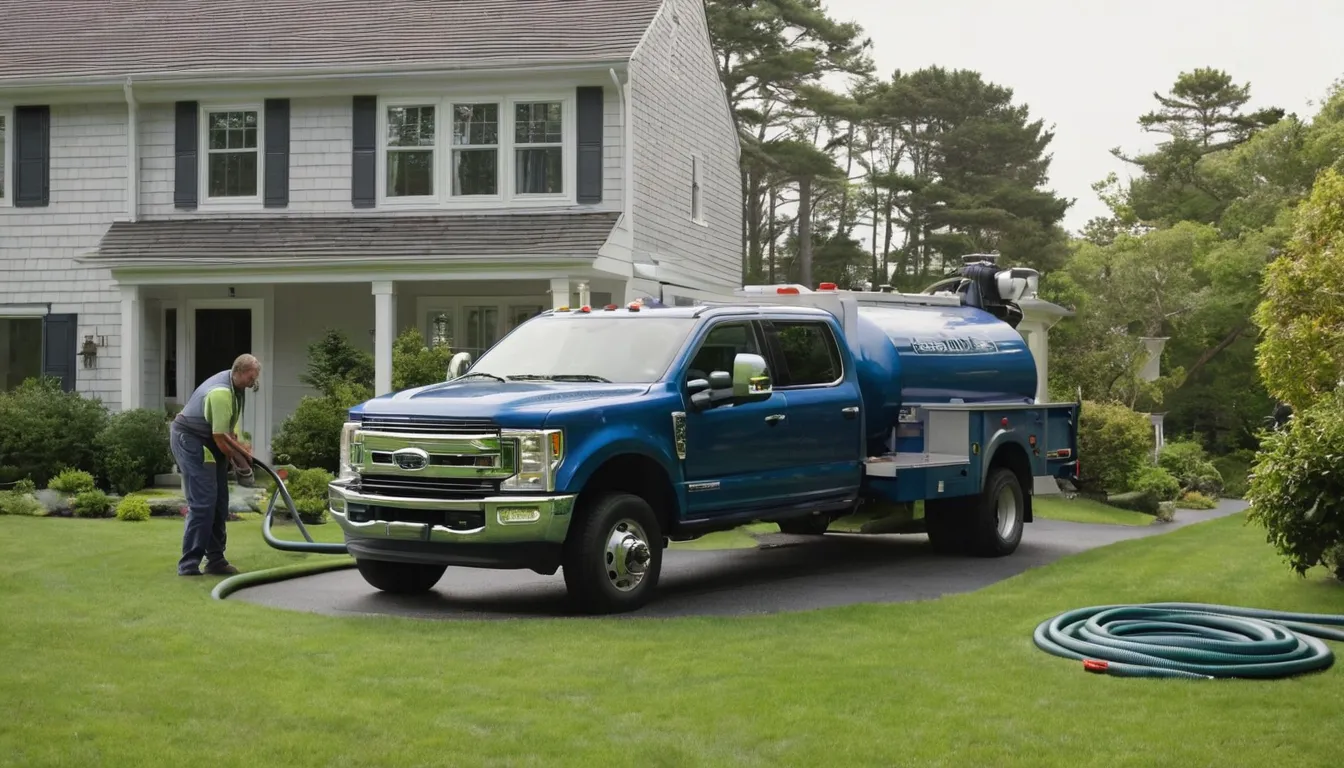
Is your septic tank due for a pump-out? Most homes need one every three to five years. Waiting too long lets solids slip into the drainfield, and that repair costs far more than pumping.
Labourscott Septic is a referral service. We do not pump tanks. We connect homeowners across the Old Westbury area with independent local providers who do. Tell us about your home, request an estimate, and compare written quotes. Providers set their own prices and schedules, so availability varies. Keep your photos and past records handy. They help every provider quote more accurately.
Good question to ask early. Watch for slow drains, gurgling pipes, toilets that struggle to flush, and damp or extra-green patches over the tank or drainfield. A sewer smell outdoors is another clue.
Seeing one or two of these? Don't panic. Many tanks just need a pump-out, and a provider can confirm.
Then you want emergency septic cleaning, and it is smart to act fast. Stop running water, skip the laundry, and keep kids and pets away from the wet area. Many providers can respond quickly, though availability depends on the day and the weather.
Request a callback to check provider availability.
Your tank separates solids from liquid. Sludge settles at the bottom and scum floats on top. Over time, the layers grow. When they get too thick, solids can escape into the drainfield and clog the soil.
That is when a simple pump-out turns into drainfield repair. Pumping on schedule is the cheaper road.
A common rule is every three to five years. Your real number depends on three things:
A busy household with a small tank may need pumping more often. A couple in a large tank may stretch it longer. Ask a provider to measure the sludge layer and tell you.
Here is the part everyone wants. Most pump-outs land in a typical U.S. range of a few hundred dollars. Your price moves with tank size, how far the truck must park from the tank, how deep the lid is buried, and local disposal fees.
In cold regions, deep frost or snow over the lid can add digging time. Older homes may have buried or hard-to-find lids too.
Get it in writing. A written quote should list the tank size, what is included, and any extra charges.
Yes. Request an estimate and share the basics: home size, tank size if known, and the last pump date. Then compare the written quotes side by side. Look at what each one includes, not just the total.
The provider locates and opens the lid, then pumps out liquid and sludge through a hose. Many will check the baffles and look for cracks or signs of backup. Some will note the level of effluent that flows back from the drainfield.
The visit often takes under an hour for a standard tank, though it varies by job.
Photos before pumping make life easier. Snap the lid area, any wet spots, and the yard layout. Jot down dates and symptoms in a note on your phone.
These records help a provider quote accurately. They also help if you ever talk to your insurer. Some policies may cover sudden damage, so check your policy, and ask whether the provider can help document damage for a claim.
It often does. A routine inspection usually looks at sludge depth, the tank's condition, and the outlet filter if there is one. Many people book both at once so the provider can see inside a freshly emptied tank.
If the inspection finds trouble, you can request a separate quote for repairs. Keep those two quotes apart so you can compare each fairly.
Pumping and an inspection are common in a sale. Buyers want proof the system works. Sellers want fewer surprises. A pumping receipt and inspection report, filed in one folder, can make the process smoother.
This matters in older homes with stone or block foundations, where records may be missing. Ask the provider to note the tank location and lid condition in writing.
Small habits protect the tank:
Spring snowmelt and coastal storms can saturate the ground. If your yard stays soggy, mention that to the provider.
Ask, then answer. Bring a short list:
Remember that the provider does the work, and Labourscott Septic only makes the connection.
A provider removes sludge and liquid from your tank so solids stay out of the drainfield.
Providers can find and open buried lids, which is common on older properties.
Many look at baffles, outlet filters, and visible cracks while the tank is empty.
Ask for a receipt that lists tank size, work done, and any issues spotted for your files.
Prices vary by region, tank size, and access. These are typical U.S. ranges, not quotes. Always ask each provider for a written quote that lists exactly what is included before you agree.
| Item | Typical range | Notes |
|---|---|---|
| Standard pump-out (1,000 gal) | $300 – $550 | Most common for smaller homes |
| Larger tank (1,500+ gal) | $450 – $800 | More volume means more time |
| Lid digging or riser access | $100 – $400 | Buried lids add labor |
| Inspection with pumping | $150 – $500 | Often booked together |
| Filter cleaning or replacement | $50 – $250 | Depends on filter type |
| Emergency septic cleaning | $500 – $1,000 | Rates vary by timing and urgency |
Tell us about your home, tank size if you know it, and any symptoms like slow drains or odors.
Labourscott Septic connects you with an independent provider serving your part of the Old Westbury area.
Review what each quote covers, including access, disposal, and any extra charges that might apply.
Pick a provider, confirm the date, and keep your photos and receipt together for future records.
Compare written quotes from independent providers so you can see what is included and what could add to the total.
Providers in our network know area soil, frost, and older home layouts across the Old Westbury area.
One short form shares your details, so you don't repeat yourself to every company.
Requesting an estimate costs nothing to ask, and you choose whether to hire anyone.
Most homes need pumping every three to five years. Tank size, household size, and water use change that number, so ask a provider to measure your sludge layer and advise you.
A typical U.S. range is about $300 to $550 for a standard tank. Access, tank size, and disposal fees change it, so request a written quote before work starts.
Slow drains, gurgling pipes, sewage odors, and soggy ground near the tank are common signs. A provider can check the tank and confirm whether it needs pumping.
Old Westbury Secaucus Alpine Norwalk White Plains Uniondale Elmont Englewood Garden City New Rochelle New York
Tell us what is going on with your septic or sewer. Send an estimate request and a local provider in our network will follow up with next steps.
No obligation