Need sewer line repair services in Old Westbury?
- Request an estimate in a few minutes
- Independent local providers in our network
- Written quotes before work starts
- No obligation to hire
No obligation
Request an estimate to get started
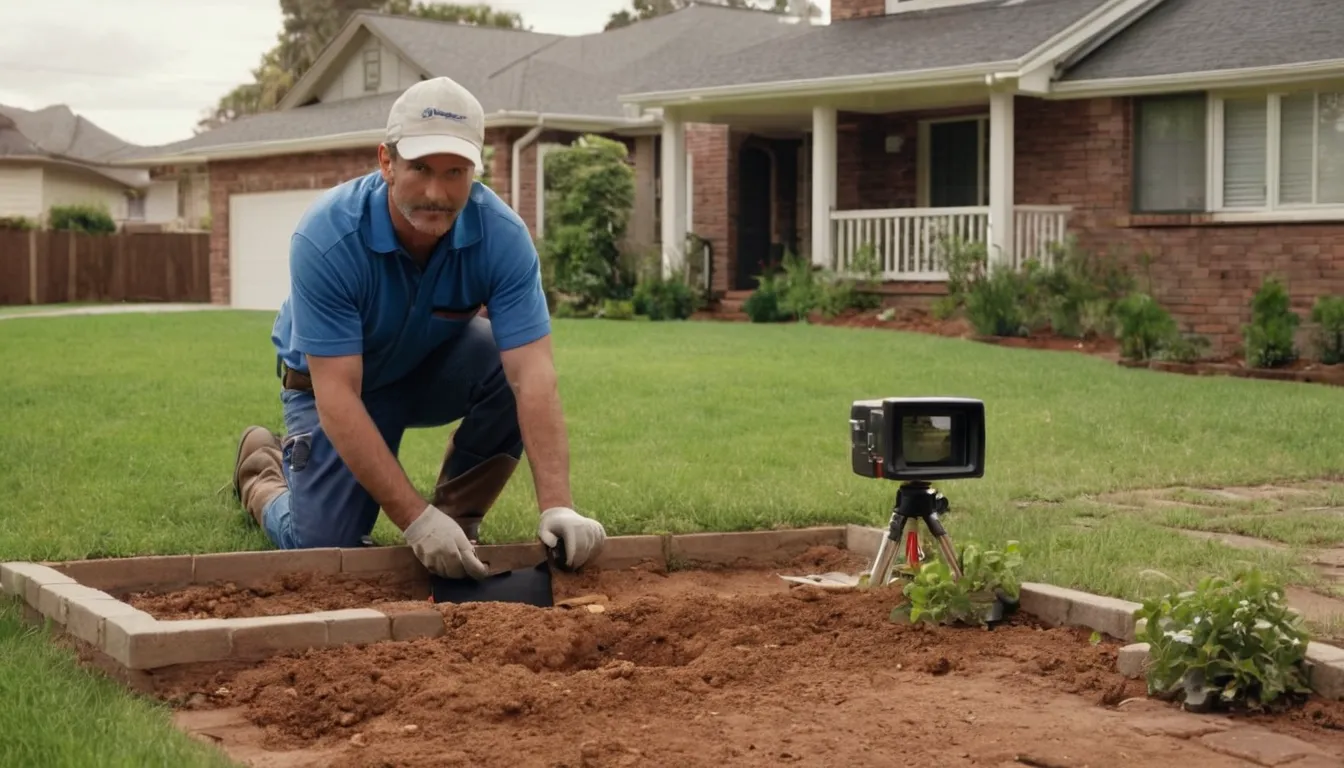
Is your main drain backing up, gurgling, or leaving a soggy patch in the yard? Those are common signs of a damaged sewer line. The pipe that carries waste from your house can crack, sag, clog with roots, or collapse. The sooner a qualified provider looks at it, the more repair choices you usually have.
Labourscott Septic is a referral service. We do not do the repairs. We connect homeowners across the Old Westbury area with independent local providers who inspect, quote, and fix sewer lines. This page explains what drives the price, what repairs involve, and how to get your photos and notes ready so your estimate goes smoothly.
Take a breath. This is stressful, but it is a problem providers see all the time. A backup means wastewater has nowhere to go, so the first goal is to stop adding to it.
Stop running water. That means no laundry, no dishwasher, no showers, and as few flushes as you can manage. Keep kids and pets away from any wet floor. Wear gloves and boots if you must go near it.
Then take photos before anything gets cleaned up. Photos before pumping, photos before digging, photos before mopping. They help with quotes and with any insurance talk later.
A licensed local provider can check the line, often with a small camera. Many providers can respond quickly, but availability varies. Request a callback to check provider availability, or send a request below.
Not every problem arrives as a flood. Watch for these quieter hints:
One slow sink is usually a local clog. Many symptoms together point to the main line.
Tree roots are the big one. They slip into tiny joints and grow into a thick mat. Old pipe materials such as clay, cast iron, or bellied fiber pipe can crack or flake with age. Heavy vehicles and shifting soil can crush a pipe. In cold regions, frost heaves and spring snowmelt can move the ground enough to pull joints apart.
Older housing often means older pipe. Stone and block foundations, full basements, and long runs under old porches can make the path harder to reach. That does not mean disaster. It just means a camera inspection is worth doing before anyone picks up a shovel.
Good question. If your home is not on a public sewer, a backup might come from the tank, the line to it, or the drainfield. A provider can tell which one it is. If the tank is full, emergency septic cleaning may be the first step before any line work. Homes with a private well should also mention it, since a leaking line near a well matters. Water well service can be part of that conversation.
It usually starts with a camera inspection. The provider feeds a small camera through the line and finds the break, the sag, or the roots. You can often watch the screen or get a recording.
From there the choices are cleaning, spot repair, lining the pipe, or replacing a section.
Not always. Trenchless methods, such as lining or pipe bursting, can fix some lines through small access holes. Others need a trench, especially when the pipe has collapsed or sags badly. Ask which approach fits your pipe and why.
Three things matter most: how deep the pipe is, how long the damaged stretch is, and what is on top of it. A short fix in an open lawn costs less than a long run under a driveway or slab. Access, soil, and the repair method all push the number up or down.
Get it in writing. A written quote lists the scope, the method, and what is left out, like landscaping or permit fees. It lets you compare two providers fairly. Ask, then answer: if a number is vague, ask what it covers.
A simple folder helps a lot. Keep:
Providers can often help document damage for a claim.
It depends on your policy. Some policies may cover sudden damage or backups, while wear and tear and root growth are often excluded. Some backup coverage is an add-on. Read your policy and ask your insurer before work starts.
Often, yes. Many towns require a permit for digging up or replacing a sewer line, and an inspection when the work is done. The provider usually knows the local steps. Ask who pulls the permit and whether the fee is in your quote.
The pipe on your property is normally yours. The section under the street or the connection to the main may belong to the municipality. Check with your local sewer office before you pay for a fix that is not your responsibility.
Flush only toilet paper. Skip wipes, even ones labeled flushable. Keep grease out of drains. Plant trees well away from the line. Consider a camera check every few years if your home is older.
Expect some mess if there is a trench. Ask whether the quote includes backfilling, compacting the soil, and replacing sod or pavers. Settling can happen, so ask how the provider handles it.
Ready to compare options with your photos in hand?
A small camera travels through the pipe to find breaks, roots, and sags before any repair is chosen.
Providers can cut roots out of the line and talk about ways to slow regrowth.
Damaged sections can often be fixed or sleeved in place, sometimes without a long trench.
When a pipe has collapsed or sags badly, a provider can replace the failed stretch with new pipe.
These are typical U.S. ranges and they vary by job, depth, access, and local rules. Use them as a starting point, then get a written quote.
| Service | Typical range | Notes |
|---|---|---|
| Camera inspection | $100 – $500 | Often worth it before choosing a repair |
| Drain or line cleaning | $150 – $600 | Clears clogs and light root growth |
| Spot repair (short section) | $1,500 – $4,000 | Depends on depth and access |
| Trenchless lining | $3,000 – $10,000 | Fewer holes dug; length changes the price |
| Full line replacement | $5,000 – $25,000 | Long runs, slabs, and driveways cost more |
| Permit and inspection | $50 – $500 | Varies by town; ask if it is in the quote |
Tell us what you are seeing, add a few photos if you have them, and send the request.
A local provider in the network reaches out to talk about your situation.
Compare scope, method, and what is not included before you say yes.
The independent provider completes the repair and handles any needed inspections.
We explain what shapes sewer repair costs so a quote makes sense before you agree.
Homeowners are matched with independent providers in the area who do the actual work.
Simple tips on photos and notes help your estimate and any insurance talk go smoothly.
Request an estimate, compare your options, and decide on your own schedule.
Typical U.S. prices run from a few hundred dollars for cleaning to several thousand for a spot repair, and more for full replacement. Depth, length, and access matter, so get a written quote.
Common signs include multiple slow drains, gurgling, sewage smells, and soggy or sunken lawn patches. A camera inspection by a local provider can confirm what is happening.
Some policies may cover sudden damage, but wear, age, and roots are often excluded. Check your policy and ask your insurer before work begins.
Old Westbury Secaucus Alpine Norwalk White Plains Uniondale Elmont Englewood Garden City New Rochelle New York
Tell us what is going on with your septic or sewer. Send an estimate request and a local provider in our network will follow up with next steps.
No obligation